
Vultr is one of the best cloud hosting services on the internet, it offers hosting solutions that have high performance and reliability.
Migrating your WordPress website from your old/shared hosting to Vultr servers can be a great Idea. Here are some reasons:
- Vultr is a cloud hosting. That means more performance, speed, security, and low cost.
- Cheap compared to what it offers. A cloud VPS with a shared CPU but dedicated resources starts at $5/month (there’s also an IPv6-only $2.50 plan in a couple of locations).
- Pay-as-you-go. You won’t be charged for a whole year or two, or even a month. Instead, you will only pay for the resources you consume.
- Scalable. If your website grows, you can upgrade your server for more resources with a click of a button.
Read Vultr review.
Here is a summary of what you will go through to achieve a WordPress migration, and transfer your website without downtime:
- Back up your existing website’s files.
- Export your WP site content.
- Deploy a Vultr server with WordPress.
- Update your domain DNS records.
- Import your old website’s content to the new one.
- Install a free SSL certificate.
- Check everything is set up and running smoothly.
Step 1: Backup Your Existing Site
Before you start migrating your site, make sure you have backed up your website source files either from the hosting provider or manually.
This step is important, as it ensures your website file’s safety. If anything goes wrong, you can revert to this backup.
Step 2: Export Your WordPress Site Files
In this step, you will need to export your website’s files somewhere to prepare these files for migration to the Vultr server.
You can use a WordPress plugin such as All-in-One WP Migration, Duplicator, or Jetpack to get this step done.
Go to your website admin panel, then navigate to Plugins > Add Plugin.
In the search bar type in the WP plugin name. In our case, it’s All-in-One WP Migration.
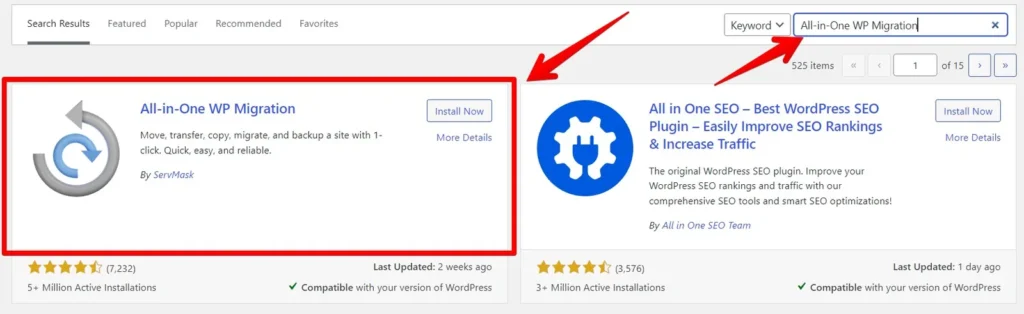
Once you find it, click on Install Now, then click on Activate.
Once you do that, you will notice that a new menu (All-in-One WP Migration) appeared in the admin panel.
Hover over it and click on Export.
Next, click on EXPORT TO and then choose File to export it to your local PC.
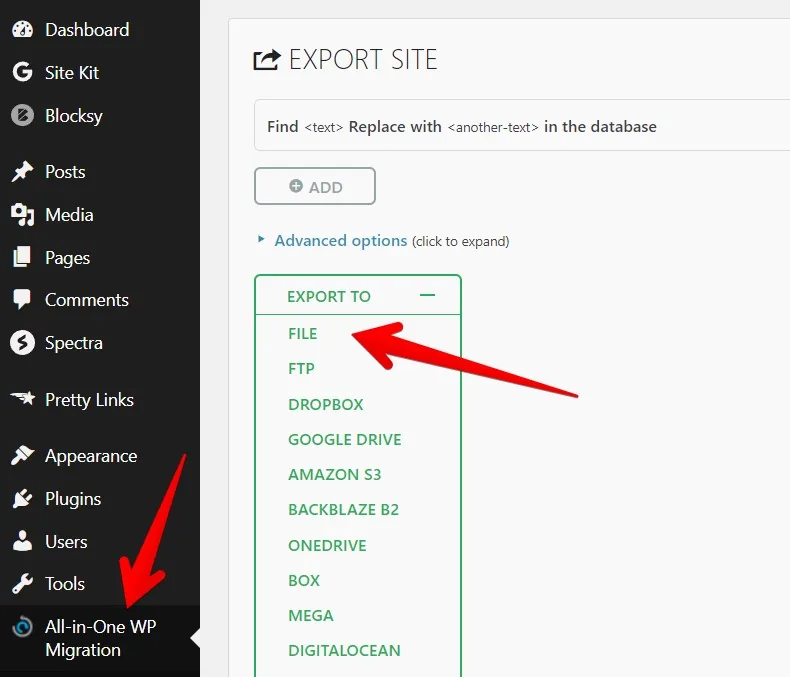
Wait for a while until the plugin prepares the files and then click on the Download button in the pop-up window.
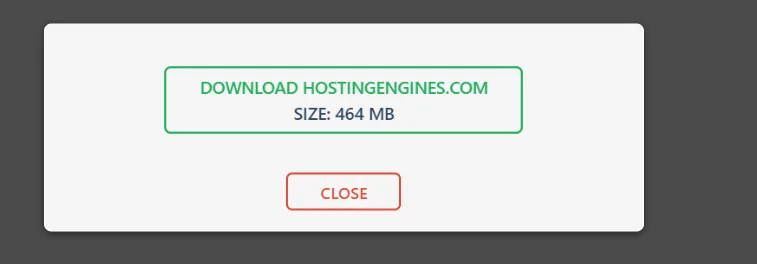
Once you do that, your WP site files will be downloaded to your computer and ready for migration. Close the window and you are done.
Step 3: Create a Server and Install WordPress on Vultr
In this step, you will choose a VPS plan, configure it, choose WordPress from the marketplace, and then deploy the server.
1. Sign up for Vultr:
If you have not registered yet, go to Vultr.com and click on Sign up to create an account.
Next, verify your account and add a payment method. Vultr offers many payment methods, choose the one you want.
You can use our link to get free credit for new users. The credit will be displayed on your billing page after you add a payment method.
2. Deploy a VPS server and install WordPress:
On the Vultr dashboard, navigate to Products, click Compute, and then click Deploy.
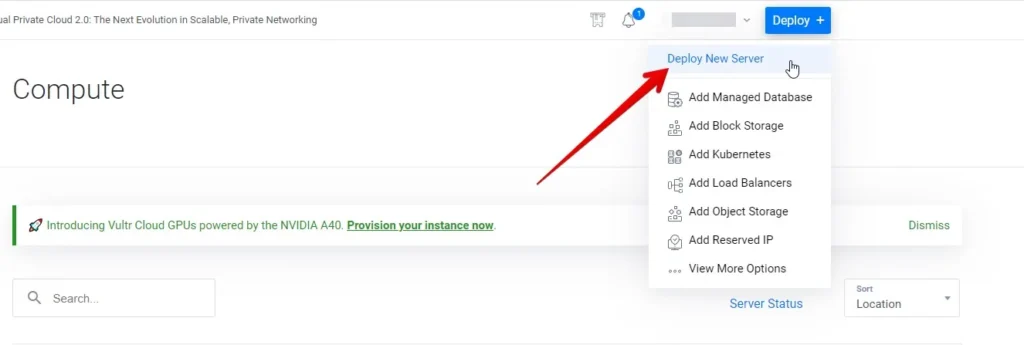
Next, choose Shared CPU as the instance type. Vultr’s console has changed since the screenshot below was taken, so it may look a little different, but you still pick from the same plan families: Cloud Compute (regular), High Frequency, or High Performance (AMD or Intel).

In our earlier tests of all four options, High Frequency performed slightly better than the others, and AMD High Performance came second.
But all server plans can get the job done perfectly. Read Vultr High-Performance Vs. High-Frequency comparison.
Select the Location too (in the current console it comes right after the instance type). The closer the data center is to your target audience, the better.
Then choose the plan size. The $6/month plan is enough for small sites, and you can scale up your server later.
Next, click Configure Software, open the Marketplace Apps tab, and search for WordPress. Select it and move on.
Enable Automatic Backups to keep your website safe. It adds 20% to the server’s price, but it’s worth it.
Next, enter your email and the WordPress website name.
After that, scroll down to Server Hostname & Label and add any name for your server. These will appear on the Vultr dashboard.
Lastly, click Deploy Now.
Wait for a while until the server is fully installed and configured on Vultr’s side and your WP site will be created.
Read in detail how to install WordPress on Vultr.
Step 4: Update Domain DNS Records
At this stage, you need to update your domain name DNS records.
Any record that points to your old website IP address will be edited to point to your Vultr server.
Copy the IP address of your server and go to where you manage your domain.
Navigate to your domain DNS records and change the old IP address with the one you copied.
Do this to all records that hold your old site IP address.

Step 5: Import Your Website Files
Now it’s time to move the exported files to your new WP site. Follow the simple steps below:
1. Access your new WP admin dashboard:
Go to (https://yourDomain.com/wp-admin/). This will open a page where you should enter your WordPress website credentials.
Scroll down in the WordPress Details section until you find the WordPress Administration Panel.
Go back to the WordPress Details section in the Vultr server dashboard and scroll down until you find the WordPress Administration Panel.
Copy the Username and Password, paste them into the required fields, and click on login to access your admin dashboard.
2. Import your old website content:
Once you are in the admin dashboard of your site, go to Plugins > Add Plugin to install the All In One WP Migration plugin.
Hover over the new menu and this time click on Import.
Next, click on Import From and choose File.
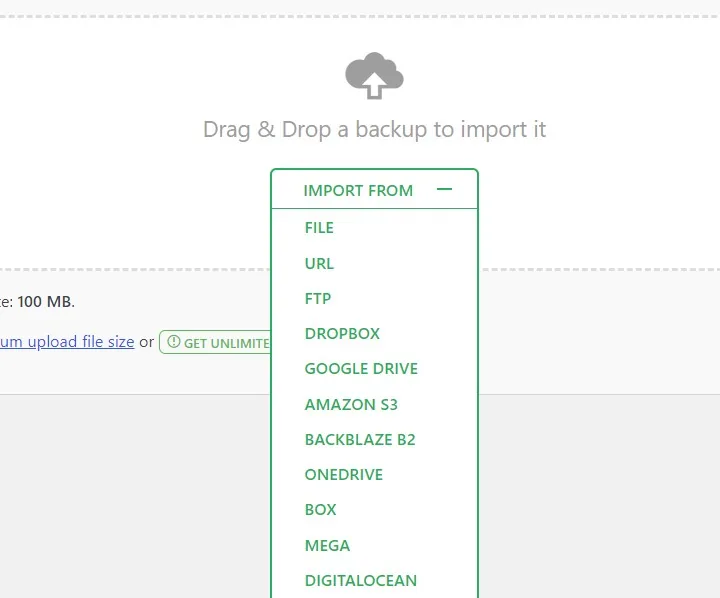
This should open your PC browser. Select the file that you exported earlier.
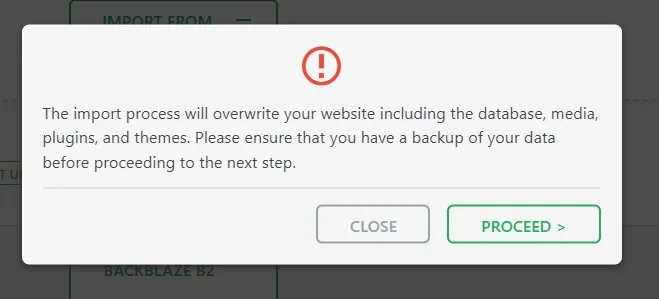
Wait for a while until the plugin finishes importing the files and you see a pop-up window. Click on PROCEED.
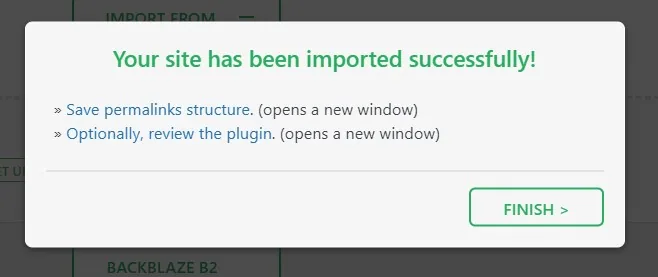
Once the importing is done, you will see the message (Your site has been imported successfully!). Click FINISH and you are done.
After migration, the credential “username and password” of your new WP site will be the credentials of the old site as they will be migrated as well.
Step 6: Install SSL Certificate
Vultr’s WordPress app comes with Certbot already installed, but it starts out with a self-signed certificate. Once your domain points to the server, you can swap it for a free Let’s Encrypt certificate.
Use the instructions below, or follow our full guide to installing a free SSL certificate on Vultr. Certbot also sets up automatic renewal, which matters more now that Let’s Encrypt stopped sending expiry reminder emails in June 2025.
This requires accessing the server through an SSH terminal. You can use a tool like PuTTY.
Install the terminal, launch it, enter your server IP address, and click Open.
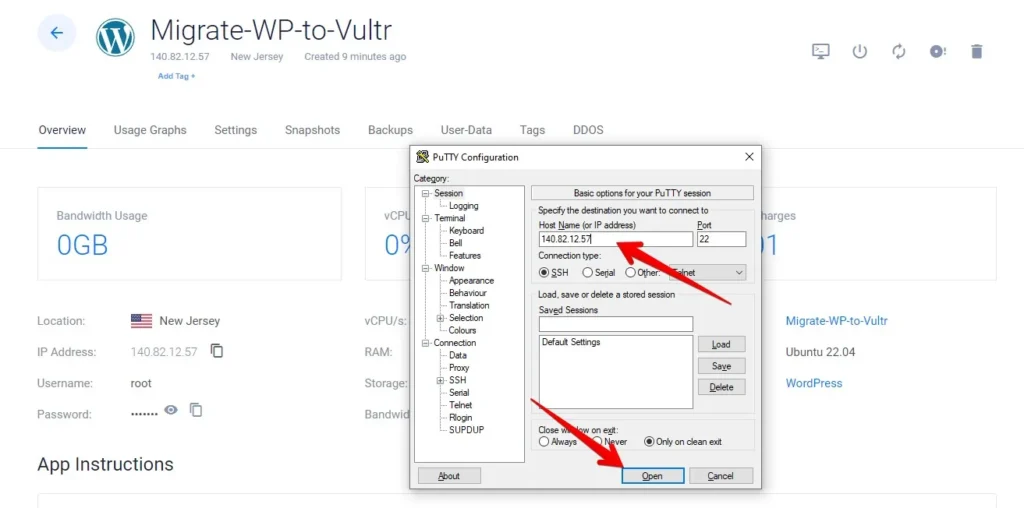
Log in as root and press Enter.
Next, copy the server password from the server dashboard on Vultr. Right-click in the SSH terminal to paste it and press Enter.
This should give you access to the server.
To install the certificate with Certbot, copy the command below.
Change example.com with your domain name and the email with your email.
certbot --nginx --redirect -d www.example.com -m [email protected] --agree-tos --no-eff-email
Step 7: Test Your New Website
Check if everything is good. Test your website performance, accessibility, and navigation.
Check that your theme styles and JavaScript still work properly after the migration.
Once you double checked everything is fine, you can remove your old site and cancel your old web hosting service from the hosting provider.